


10 Best Home Energy Upgrade Combinations for UK Properties
A practical guide to combining insulation, efficient heating, solar PV, battery storage and smarter controls to create a more comfortable and energy-efficient home.
Improving the energy performance of a home is rarely about choosing one technology in isolation. For homeowners considering the best home energy upgrades in the UK, a more effective approach is often to combine measures that reduce heat loss, improve heating performance and make better use of renewable electricity.
The right combination depends on the age and construction of the property, its current insulation levels, heating system, household energy use and long-term plans.
Rather than ranking individual products, this guide looks at practical heating and insulation combinations and wider home energy solutions that can work together as part of a coordinated improvement plan.
- Reduce unnecessary heat loss first
- Match heating to the building’s actual needs
- Consider renewable electricity where suitable
- Plan upgrades in the correct sequence
- Assess ventilation alongside insulation
- Size systems around realistic household demand
10 Home Energy Upgrade Combinations to Consider
Every property is different, but the following combinations illustrate how several energy efficiency measures can complement one another.
Loft Insulation + Draught Proofing + Heating Controls
For many UK homes, improving basic heat retention is a sensible place to begin. Loft insulation can reduce heat loss through the roof, while draught proofing helps control unwanted air leakage around doors, windows and other openings.
Modern heating controls can then help occupants manage when and where heating is used, creating a coordinated package without immediately replacing the entire heating system.
Cavity Wall Insulation + Loft Insulation + Heating Controls
Where a property has suitable cavity walls, combining wall insulation with loft insulation can improve more than one part of the building envelope.
Heating controls can complement these measures by helping the household use heat more selectively after the building’s heat retention has been improved.
Cavity wall suitability should always be established before installation because wall construction and exposure conditions vary between properties.
Solid Wall Insulation + Roof Insulation + Heating Improvements
Many older UK homes have solid walls rather than cavity walls. These properties may require internal or external wall insulation depending on the building’s construction and circumstances.
Combining appropriate wall insulation with roof insulation, draught reduction and heating improvements can create a more coordinated strategy for an older property.
Moisture behaviour and ventilation are especially important when upgrading traditional buildings, so fabric measures should be properly assessed rather than selected in isolation.

Insulation + Air Source Heat Pump + Suitable Radiators
A heat pump should be considered as part of the wider heating system rather than simply as a standalone appliance.
Improving insulation can reduce the property’s heating demand. Radiators or other heat emitters can then be assessed to establish whether they are suitable for the planned system and operating temperatures.
This is why a coordinated approach to energy and heating solutions can be more effective than choosing individual technologies independently.
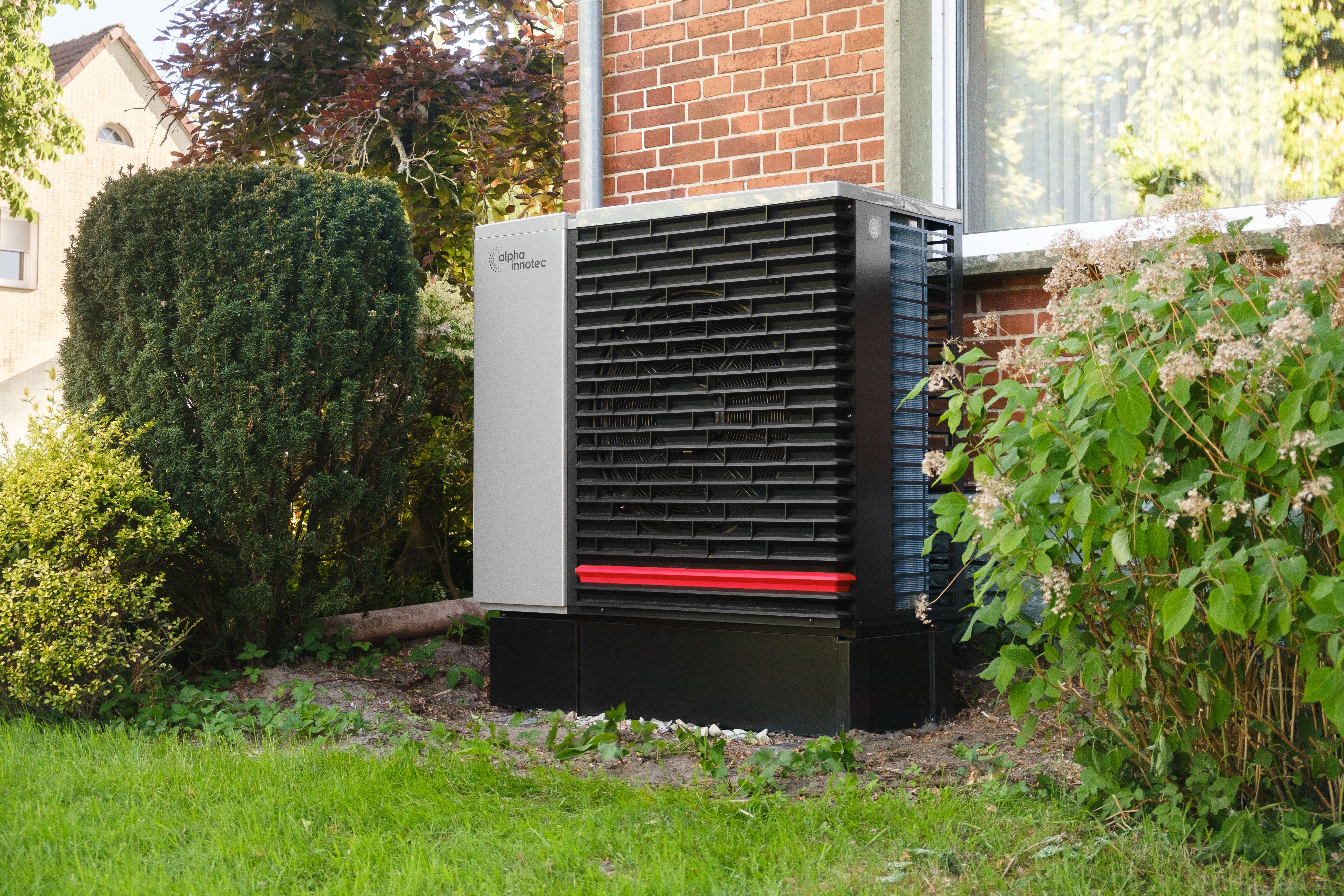
Air Source Heat Pump + Solar PV
An air source heat pump uses electricity to provide heating, while solar photovoltaic panels generate electricity from daylight.
Solar generation will not always coincide with heating demand, particularly during winter, but some generated electricity may contribute towards household consumption when the system is producing power.
Roof suitability, heat loss, electrical demand and system design should all be reviewed before deciding whether the two technologies are appropriate for a particular property.
Solar PV + Battery Storage
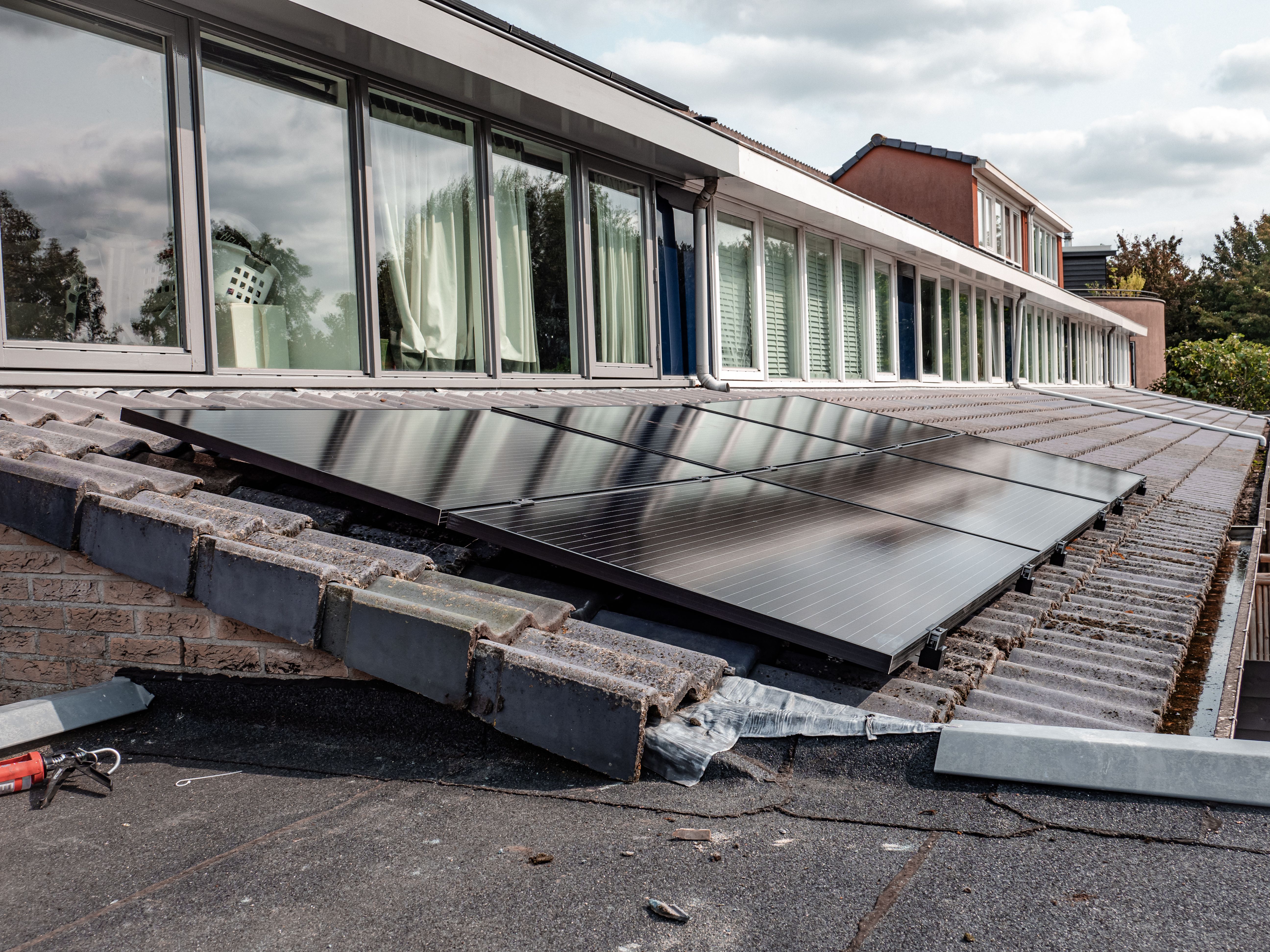
Solar panels generate electricity during daylight hours. Battery storage can provide another way to manage some of that electricity by storing energy for use later.
Whether battery storage makes sense depends on the size of the solar array, household consumption, when electricity is used, electricity tariffs, battery capacity and installation cost.
Energy Saving Trust advises households to consider the expected savings, storage lifespan and installation cost when evaluating battery storage.
Solar PV + Battery Storage + Smart Tariff
Some electricity tariffs provide different import rates at different times of day. When combined with a compatible battery, this may offer greater flexibility in how and when electricity is imported, stored and consumed.
Eligible small-scale renewable generators may also be able to receive payments for qualifying exported electricity through the Smart Export Guarantee .
Heat Pump + Solar PV + Battery Storage
For households moving further towards electrification, a heat pump, solar PV and battery storage can potentially form part of the same home energy strategy.
The heat pump contributes to electricity demand, solar PV provides on-site generation when conditions allow, and the battery can provide flexibility over when some electricity is used.
This does not mean every home requires all three. System size should be based on the property’s heat loss, roof suitability, household electricity profile and budget.
Floor Insulation + Draught Proofing + Low-Temperature Heating
Suspended timber floors are common in many older British homes. Where suitable, insulating the floor can form part of a wider strategy to reduce heat loss and improve comfort.
Combining floor improvements with draught reduction, appropriate wall or roof measures and a heating-system assessment can provide a more complete picture of the property’s requirements.
Whole-House Retrofit: Fabric + Heating + Solar + Storage
Properties undergoing substantial renovation can benefit from considering insulation, ventilation, heating, renewable generation and storage together rather than making unrelated improvements over several years.
A coordinated plan can help ensure that later measures are compatible with earlier ones and that systems are sized using the improved performance of the building.
AEG Construction’s whole-house retrofit approach considers the property as a complete system rather than a collection of isolated measures.
Could Funding Support Your Heating Upgrade?
In England and Wales, the Boiler Upgrade Scheme can contribute towards eligible low-carbon heating installations. Grant values and eligibility depend on the technology and property.
Scheme conditions can change. Always confirm current eligibility and requirements using official GOV.UK Boiler Upgrade Scheme guidance before making financial decisions.
Which Home Energy Upgrade Combination Is Best?
There is no single package that will be best for every UK property.
A relatively modern home with good insulation may already be in a suitable position to investigate solar PV, battery storage or low-carbon heating. An older solid-wall property may first need greater attention to insulation, moisture management, ventilation and heat loss.
The objective should be to understand the home as one energy system. That means looking at how the building retains heat, how heating is distributed, when electricity is consumed and which future technologies may be introduced.
What Order Should Home Energy Upgrades Be Completed In?
Upgrade sequencing matters because improving one part of the home can influence what is required elsewhere.
Understand the property
Review construction, current heating, insulation, ventilation and areas of significant heat loss.
Reduce avoidable heat loss
Consider appropriate roof, wall and floor insulation alongside draught reduction.
Review ventilation
Better airtightness needs to be considered alongside appropriate ventilation and moisture management.
Assess the heating system
Determine heating demand, controls and whether radiators or other emitters need adjustment.
Consider renewable technologies
Assess the suitability of heat pumps, solar PV and other technologies using the improved building performance.
Add storage or smart energy options
Battery storage and suitable electricity tariffs can then be assessed against actual household usage.
Final Thoughts
The best home energy upgrades for UK properties are often combinations rather than individual technologies.
Insulation can reduce the heating requirement. Appropriate heating systems can then be designed around the property. Solar PV can provide renewable electricity, while battery storage and suitable tariffs may offer additional flexibility.
The important point is to avoid viewing each improvement as an isolated purchase. Understanding the building first and planning improvements in a logical sequence can create a stronger, longer-term energy strategy.
Frequently Asked Questions
What are the best home energy upgrades in the UK?
Should insulation be considered before installing a heat pump?
Can solar panels and a heat pump work together?
Do solar panels need battery storage?
Is funding available for heat pumps?
Planning Energy Improvements for Your Property?
AEG Construction supports homeowners with coordinated insulation, retrofit and low-carbon energy solutions designed around the property rather than a single isolated measure.